


Tom's story: three years without flying, and what actually changed
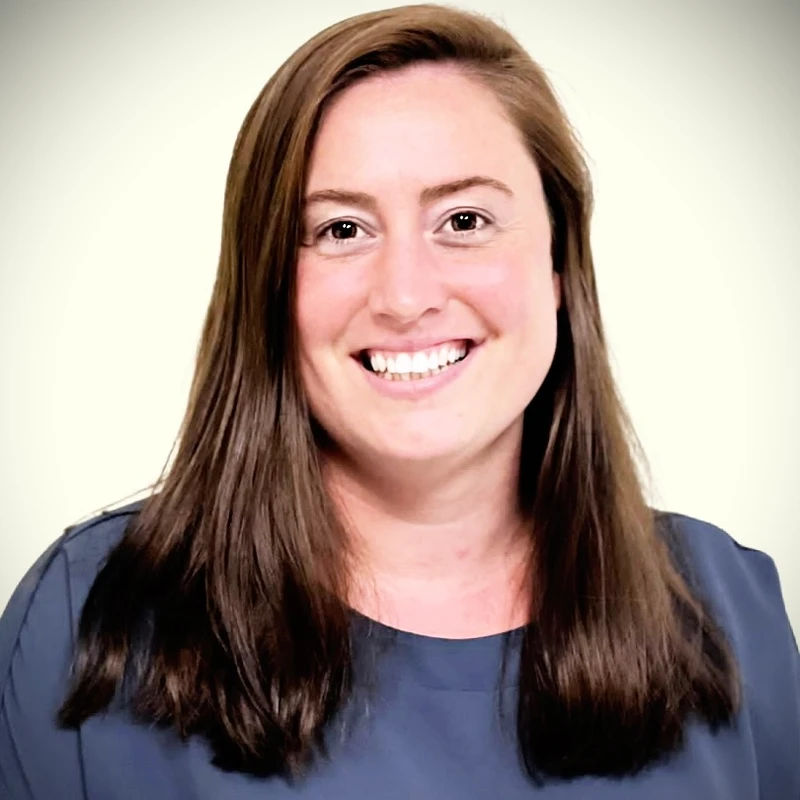

What you'll explore in this article: How one person moved from believing "this is just who I am" to boarding a flight home, and what shifted for him along the way.
Tom hadn't been home in three years.
He'd emigrated to Canada a few years earlier. The flight out went fine. But after that, he didn't come back. Not for a wedding. Not for a milestone birthday. Not for any of the moments he would have wanted to be there for.
It wasn't that he didn't want to. It was that the thought of getting on a plane felt impossible. Every time an event came up, he found a reason to stay put.
He'd tried what most people try. YouTube videos about how planes work. Distraction techniques. White-knuckling it through the short flights he couldn't avoid. None of it touched the actual problem.
The pattern worth noticing
Before we go further, notice something about Tom's situation.
He didn't think he was an exception. He didn't think he was broken. He thought being scared was just who he was.
That's one of the most common patterns I see with fear of flying. Not the fear itself. The identity that gets built around it. The label "nervous flyer" or "anxious flyer" or "bad at flying" stops being a description of what happens on the plane and starts being a fact about the person.
Once fear becomes an identity, there's nothing to work with. Because identities don't change. Responses do.
What actually shifted
For Tom, the trigger was practical. A wedding at home he didn't want to miss. A deadline he couldn't push.
He started the course.
What clicked for him wasn't one specific technique. It was the underlying shift the whole course is built around. Moving from trying to force the fear away to being willing to have it come along.
If you haven't come across this idea before, it can sound counterintuitive. Most people believe the goal of therapy for fear of flying is to remove the fear. To feel calm. To feel confident. The approach I use here, drawn from ACT (Acceptance and Commitment Therapy), works differently.
The goal isn't to remove fear. The goal is to stop letting fear decide what you get to do.
That's what Tom worked through, module by module. The willingness exercises. Noticing thoughts as thoughts, not as instructions. The audio files designed for the boarding gate and the flight itself. The step-by-step build of doing the flight scared, rather than waiting to feel unafraid.
Boarding day
Tom flew home a few months after starting the course.
He told me later that the waiting area was the first surprise. Less anxious than he'd been before any flight in years. Not because he was calm. Because he was actively doing the work rather than trying to escape it.
He used the breathing exercises through takeoff. He listened to the audio designed for cruising. And somewhere over the Atlantic, mid-flight, he noticed something. He wasn't gripping the armrest. He wasn't sweating. He was just on a plane.
His mum was crying when she hugged him in arrivals.
The wedding the next day was almost the easy part. He danced with his nieces. He gave a speech. He stayed until the lights came on.
In his words:
"Honestly thought it was just how my brain was wired. Now I'm flying again. Not because I'm brave, just because I learned to do it scared." Tom, course graduate
What Tom's story is actually about
Tom didn't become a different person. He didn't stop being someone whose brain gets loud on flights. What changed was his relationship with the fear, and what he was willing to do while it was happening.
That's the piece most people miss when they try to solve fear of flying with information. Knowing the statistics about how planes work doesn't touch the underlying issue. Because the underlying issue isn't really about planes. It's about what you make the fear mean, and what you let it stop you from doing.
If any of that lands, if you've been calling yourself a nervous flyer for years, or saying no to trips you'd have wanted to say yes to, this is the shift that's possible.
Not becoming fearless. Learning to do it scared.
Worth being honest about
Tom's timeline isn't everyone's timeline. Some people move through the course faster. Some take longer. Some go through the modules a couple of times before something clicks. The work still does what it does. The pace is just different for everyone.
What's the same across the people I see, in the course and in the therapy room, is that the shift is possible. And it usually starts with the decision to stop waiting to feel ready.
About the course
The course Tom took is called From Anxiety to Adventure. It's my full fear of flying programme, drawn directly from the ACT-based approach I use in 1:1 clinical work. Seven modules. 4.5 hours of video. Audio files designed for the airport and the flight itself. A workbook you can actually work through. Lifetime access for £135.
If any of Tom's story lands, that's what's inside From Anxiety to Adventure.
Dr Kristy.


Comments